Stainless & Aluminium Welding on the Gold Coast
We’re a family-run workshop delivering hand-built trays with precise welding, strong materials, fast turnarounds and quality-first approach for South-East Queensland drivers.
How Aluminium Welding Improves Strength
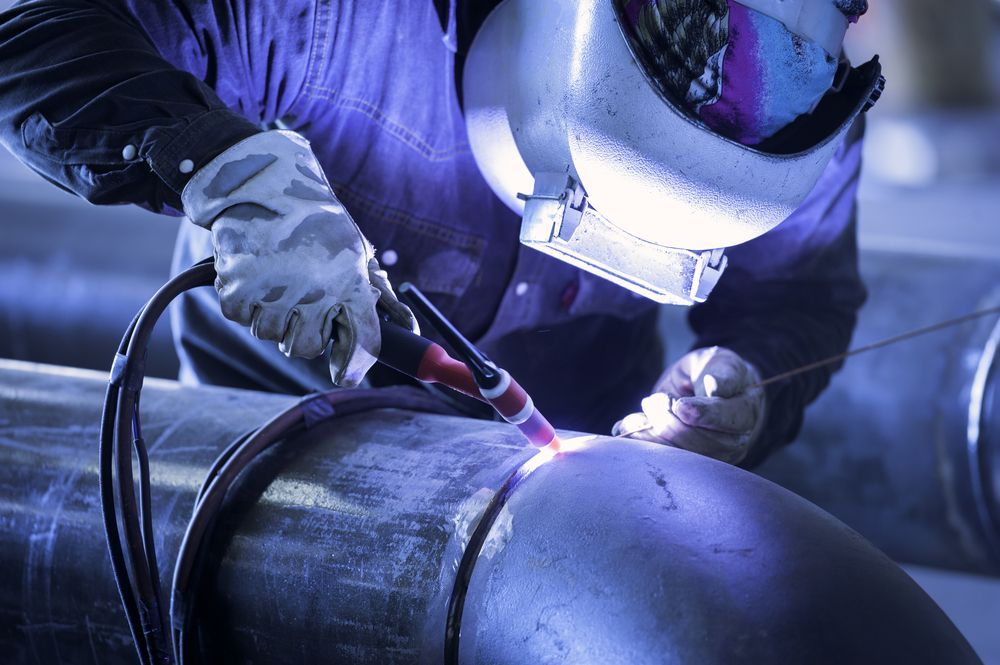
Fine welds can make or break a build, especially on gear that takes constant vibration or weight shifts. At GC Custom Fabrication on the Gold Coast, we handle stainless steel and aluminium welding with steady heat control and a careful hand because the metal reacts fast when pushed too hard.
We shape repairs, light frames, brackets and vehicle upgrades with welds that settle clean without sagging or burning through. Each join is made with the right pace so the final piece stays light, tidy and strong enough for daily use on the road or worksite.
For steel and aluminium welding shaped with experience and care, give us a ring on 0407 221 490.
Why Stainless & Aluminium React Differently
Stainless and aluminium behave in their own ways when heated, which is why welding them needs a different rhythm, different tools and different prep. Aluminium conducts heat quickly so the weld pool grows fast while stainless holds heat and can distort if rushed.
Both materials need the right cleaning process to avoid contamination that weakens the join. When handled correctly, these metals create lightweight, durable structures ideal for trays and canopies, accessories and daily-use brackets.
Good weld quality also helps prevent cracking, corrosion and fatigue, which often show up months after install rather than on day one.
Neat Welds
Heat Control
Light Strength
Reach Out Today
Tell us what you need welded and we’ll help shape a clean, durable join that holds up through long drives and steady use.
Thank you for contacting GC Custom Fabrication.
We will get back to you as soon as possible.
Oops, there was an error sending your message.
Please try again later.
FAQ
Why does aluminium welding require more heat control than steel?
Aluminium conducts heat far faster than steel, which means the weld pool can widen quickly if the torch stays in one spot. This can lead to burn-through, collapsing edges or weak joints. The welder must balance movement, temperature and filler use so the edges fuse without overheating surrounding areas.
Proper cleaning is also essential because aluminium oxide melts at a much higher temperature than the base metal. With the right control and prep, aluminium develops strong, lightweight welds suited to trays, brackets and vehicle accessories that face constant vibration.
Why do aluminium welds sometimes look cloudy or grainy?
A cloudy or grainy appearance usually indicates contamination in the weld pool. Aluminium absorbs impurities easily, which can come from dirty surfaces, moisture or poor shielding gas coverage. Oxide on the metal’s surface can also cause uneven flow.
When the metal is cleaned well and the shielding gas stays consistent, the weld produces a smoother, brighter finish. The weld may still be functional when cloudy but long-term durability can suffer, especially when the piece faces vibration, weather exposure or load shifts.
What causes stainless steel to warp during welding?
Stainless holds heat for longer than mild steel, which means it expands and contracts unpredictably if the weld pace is uneven. Heat trapped in the metal can pull it out of shape, especially on thin sheets or long sections.
Good welders stagger their passes, manage cooling time and sometimes brace the material to control movement. Warping doesn’t always show immediately but can affect how brackets line up or how doors and panels sit once installed. Careful heat management keeps stainless straight and structurally sound.



